All Categories
Featured
Best Vision Insurance for Staff
Table of Contents
Companies are embracing transparency tools that allow staff members to compare costs and service providers, empowering smarter health care decisions. Numerous organizations are also broadening value-based care and virtual-first healthcare alternatives to enhance outcomes while managing costs. Family and caregiver support is no longer optionalit's vital. Companies are broadening child care, eldercare, and household leave benefits to decrease tension and assistance employees balance work and life.
The hybrid labor force is here to remain., virtual partnership tools, and fair workplace policies, ensuring every staff member feels supported, linked, and valued. Our ingenious technology enhances benefits administration, links data across platforms, and supplies AI-powered insights that help companies design smarter, more customized benefits techniques.
The details in this article is for educational functions just. It is not legal, tax or investment advice. For legal, tax or investment suggestions, you ought to consult your own legal counsel, tax and investment advisers.
Expense Management Tips for Modern Benefits
Spending plans are tighter in 2026. Staff members are louder about what they expect. That mix puts HR teams and small service owners in a hard area: how do you construct a benefits plan that in fact moves the needle without exploding your labor spending plan? The excellent news is that competitive does not mean pricey.
Group Benefits Los AngelesThis guide breaks down 30 useful benefit ideas across health, monetary, versatility, and recognition categories, so you can build a bundle that fits your workforce rather of copying a generic template. We'll also cover how to pick the ideal mix and where to get professional guidance, consisting of insight from Muneris Advantages, a worker benefits consultant serving employers across Virginia and West Virginia.
In WTW's 2024 Global Benefits Attitudes Study, workers ranked pay, task security, and health advantages as their leading three factors for remaining in or accepting a job, with 36% pointing out health advantages particularly. Providing advantages isn't enough. MetLife's 2024 research found 65% of staff members desire advantage interaction throughout the year, not simply during open registration, which number climbs up to 68% among Gen Z workers.
According to the Bureau of Labor Statistics, advantages made up in March 2026, balancing $14.01 per hour per staff member. Health-related coverage is still the structure of any advantages package, but expectations have actually moved previous medical-only plans.
Reliable Staff Assistance EAP Resource Guidance
Let staff members put funds towards physical fitness, nutrition, or mindfulness rather of a single fitness center network. Numerous companies still bundle fundamental life and special needs defense so families have earnings assistance after a severe disease, injury, or death.
A low-cost voluntary add-on that resonates with younger and pet-owning staff members. Affordable group rates with high perceived worth as cyber and scams risks grow. Payroll-deduction access to assist with wills, family law, and housing problems. Tax-advantaged dollars for competent medical costs. SHRM's 2025 study found 61% of employers now offer an HSA.
Building a well balanced mix of medical, pharmacy, and associated group advantages is where numerous employers get stuck. Muneris Advantages assists Virginia and West Virginia employers design and handle group health, oral, vision, and HSA/HRA-style offeringsusing access to major Virginia carriers and strategy designs that weigh protection versus expense. Financial tension is one of the most significant interruptions employees bring into the workday.
Still among the most valued non-medical advantages, especially when coupled with employee education on how to utilize it. Budgeting tools, financial obligation therapy, and emergency situation cost savings assistance. SHRM discovered 33% of companies now offer non-retirement financial recommendations online. Appeals to younger employees even at modest contribution levels. SHRM reported adoption rose to about 9% of companies in 2024, up from 7% in 2022.

Future-Proofing Local Business Group Insurance for 2026
Particularly pertinent for startups and growth-stage business developing an ownership culture. Matching workers with mentors supports retention and keeps institutional understanding inside the company. Appeals to workers planning ahead for their kids' education.
Those alternatives fit into a benefits plan developed around the workforce and the budget. SHRM found 63% of employers now offer hybrid work. Separating getaway, ill, and psychological health time produces clearness for employees planning their year.

Latest Posts

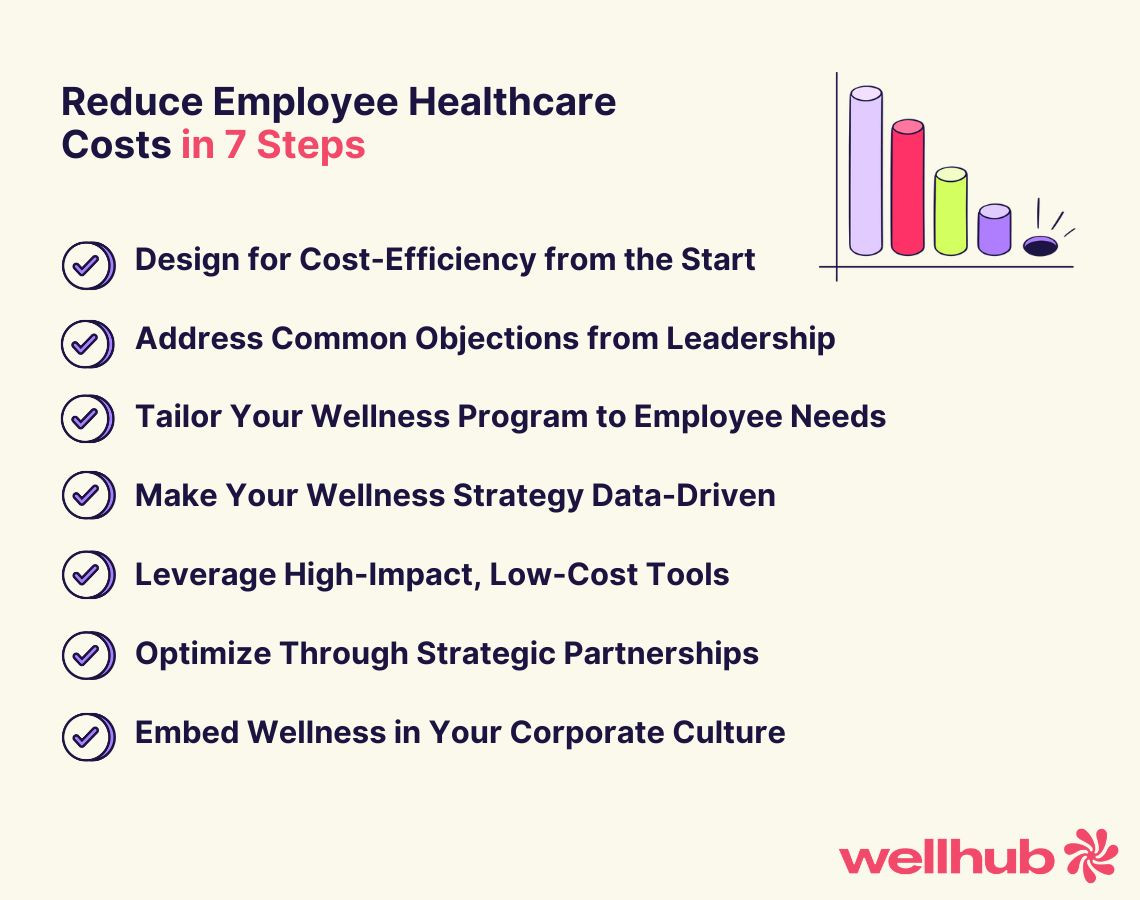
Reducing Workplace Wellness Program Costs
Protecting the Organization and Commercial Insurance Policies

Expert Guidance for 2026 Small Business Benefits