All Categories
Featured
Essential Group Health Insurance Changes for 2026
Table of Contents
Most employers pay $3$5 per employee per month for a digital worker wellness program in 2026. Full-service programs with training and health assessments begin near $58, so the complete market range runs $3$100 per staff member per month depending on depth.
How much do business health cares expense on average? The answer depends on three aspects: your business size, the scope of services you need, and whether you select a digital-first platform or a full-service provider. Here is what most companies can anticipate to budget plan: Basic Digital$3 $5per staff member/ month$36 $60 annuallyHealth evaluations, wellness portal, obstacles, educational contentMid-Range$12 $58per employee/ month$150 $700 annuallyAll basic features plus incentive programs, group training, analyticsComprehensive$58 $100+per staff member/ month$700 $1,200+ annuallyFull suite: 1:1 training, biometrics, psychological health, reporting, customized material Rates models differ by vendor.
Others utilize a per-active-user model where you just pay for staff members who in fact engage. A couple of usage tiered prices based on business size, where larger organizations get lower per-employee rates.
Live, 1:1 health training is the most pricey part, usually including $20-$50/employee/month On-site or lab-based screenings include $50-$150 per staff member per occasion Present cards, premium decreases, or HSA contributions can include $100-$500/employee/year Branded courses, challenges, and communications add advancement costs Linking to your HRIS, advantages platforms, or claims data needs technical workFree Resource Lots of shown, no-budget wellness methods your team can launch today.
Independent Insurance AgencyAre worker health care worth the investment? The research study states yes, but with an important caution: program design matters more than program spending.$3.27 medical cost savings per $1 spentSource: Harvard Meta-Analysis$2.73 absence expense savings per $1 spentSource: Harvard Meta-Analysis6:1 total return on investmentCombined medical + absenteeism A Harvard meta-analysis estimated that for every single $1 invested on health programs, medical costs fall by around $3.27 and absence costs by about $2.73.
Independent Insurance AgencyEvaluating Low-Cost Small Enterprise Medical Coverage Models
employer discovered more modest outcomes, highlighting that program quality and style are the real chauffeurs of efficiency. ROI does not occur due to the fact that a company tosses cash at a program. It is a by-product of a nimble health offering that evolves in time, keeps workers engaged, and is actively supported by management.
The sticker label rate is just part of the employee health program expense. A $5/employee program with 10% participation effectively costs $50 per active user.
A unified platform reduces both cost and friction. If your HR group spends 5-10 hours per week collaborating health activities, that is a genuine labor cost that most budget plans disregard. Generic programs stop working since they do not meet employees where they are. The most efficient programs use behavioral science to customize the experience.
Picking the wrong vendor means 6-12 months of sunk application time, lost employee trust, and the cost of beginning over. The cheapest program is rarely the most cost-efficient. A $3/employee platform with 40% engagement provides more value than a $1/employee platform nobody utilizes. The most cost-effective health services share these characteristics.
Evaluating Affordable Small Business Health Insurance Plans
Try to find platforms that use behavioral science to customize material to each employee's stage of change. Mobile app, e-mail, text, and wearable combination to fulfill employees anywhere they are. Makes it possible for timely modifications and clear presence into involvement, outcomes, and program ROI. Programs grounded in cognitive behavioral training, not simply gamification, produce enduring outcomes.
Grows with your company so you are not overpaying at 50 staff members or underpowered at 500. Selecting the best health partner is not just about the lowest worker health program expense.

Do they have published research or third-party recognition of health outcomes? Can they offer you a clear per-employee expense with no concealed costs for application, reporting, or material? The number of programs, courses, and obstacles are included? Are they evidence-based? Is the platform mobile-first? Does it integrate with wearables and your existing HR systems? Do you get a devoted account supervisor or are you routed to a help desk? Utilize our side-by-side vendor comparison tool to assess providers throughout these criteria.

Latest Posts

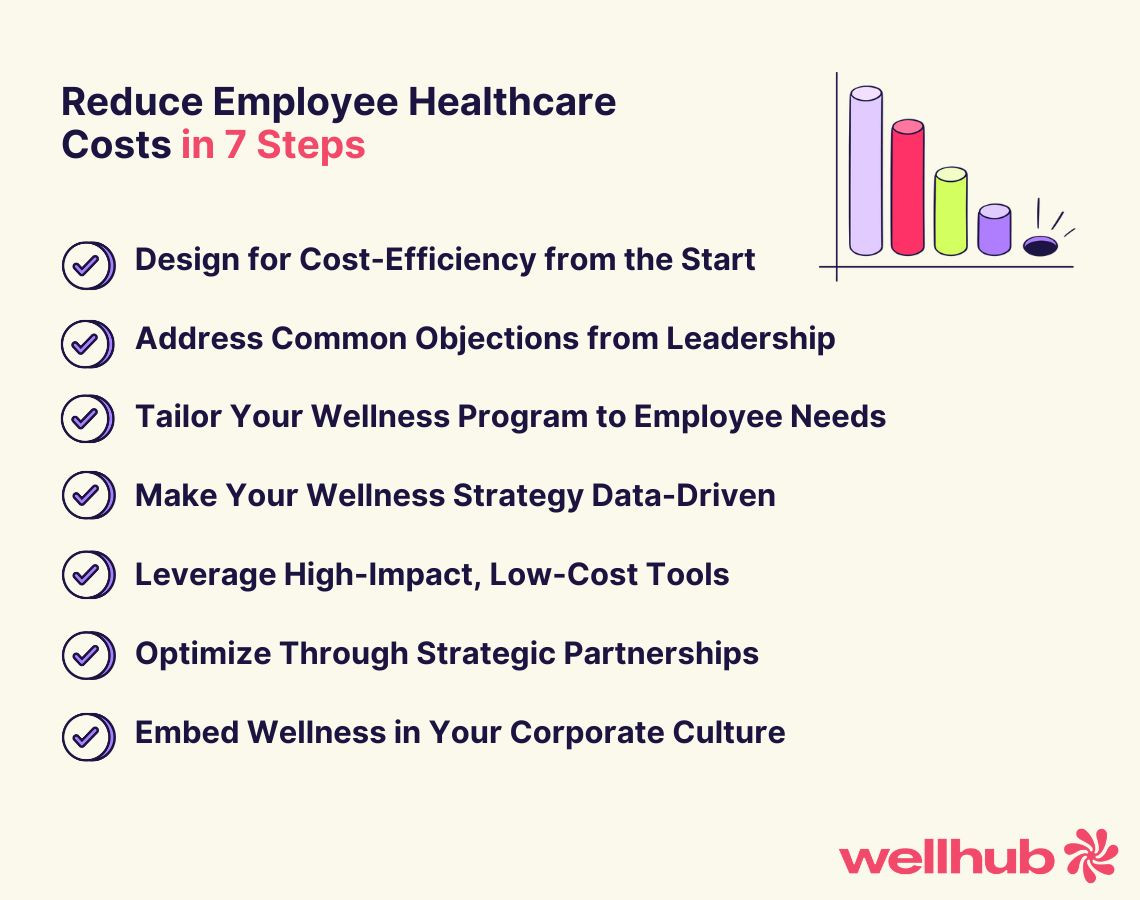
Reducing Workplace Wellness Program Costs
Protecting the Organization and Commercial Insurance Policies

Expert Guidance for 2026 Small Business Benefits