All Categories
Featured

Managing Corporate Wellness Program Expenditures
Contact a Roundstone consultant today to discuss your company's health insurance requires and find how to lower your insurance coverage expenses..
Business Insurance Los AngelesChoosing health benefits is among the greatest business decisions you'll make. Getting it right can cause huge pay-offs: a possible hire may see your offer as irresistible, and your present staff might be happier and more engaged. Our affiliate, Automatic Data Processing Insurance Agency, Inc. (ADPIA)*, gives you access to certified agents who address questions, and after that assist you get the right group health insurance plan choices for your company.
Assistance your employees, remain competitive, sustain compliance. Our small company solutions support the health and wellness of you, your staff members, and your bottom line. From workers' payment to inexpensive 401(k) strategies, we offer tailored options for your little service needs.
Employer-sponsored health insurance coverage has been the default for most Americans given that the middle of the last century. What employer-sponsored health insurance meansHow ICHRAs fit into the pictureWhy the shift is happening nowAnd how employers can adjust without losing control or coverage qualityLet's start with the essentials.
It's the most common source of health protection in the U.S., accounting for over 53% of the population in 2023. (Source: )Generally, companies offered a group medical insurance strategy, negotiated with an insurance company, and covered a portion of the premium. This design presumes the following: A mainly local, full-time workforceOne-size-fits-most coverage needsThe company has the capability to handle plan selection, renewals, and complianceFor growing companies, start-ups, dispersed groups, or industries with varying headcounts, that model doesn't constantly hold up.
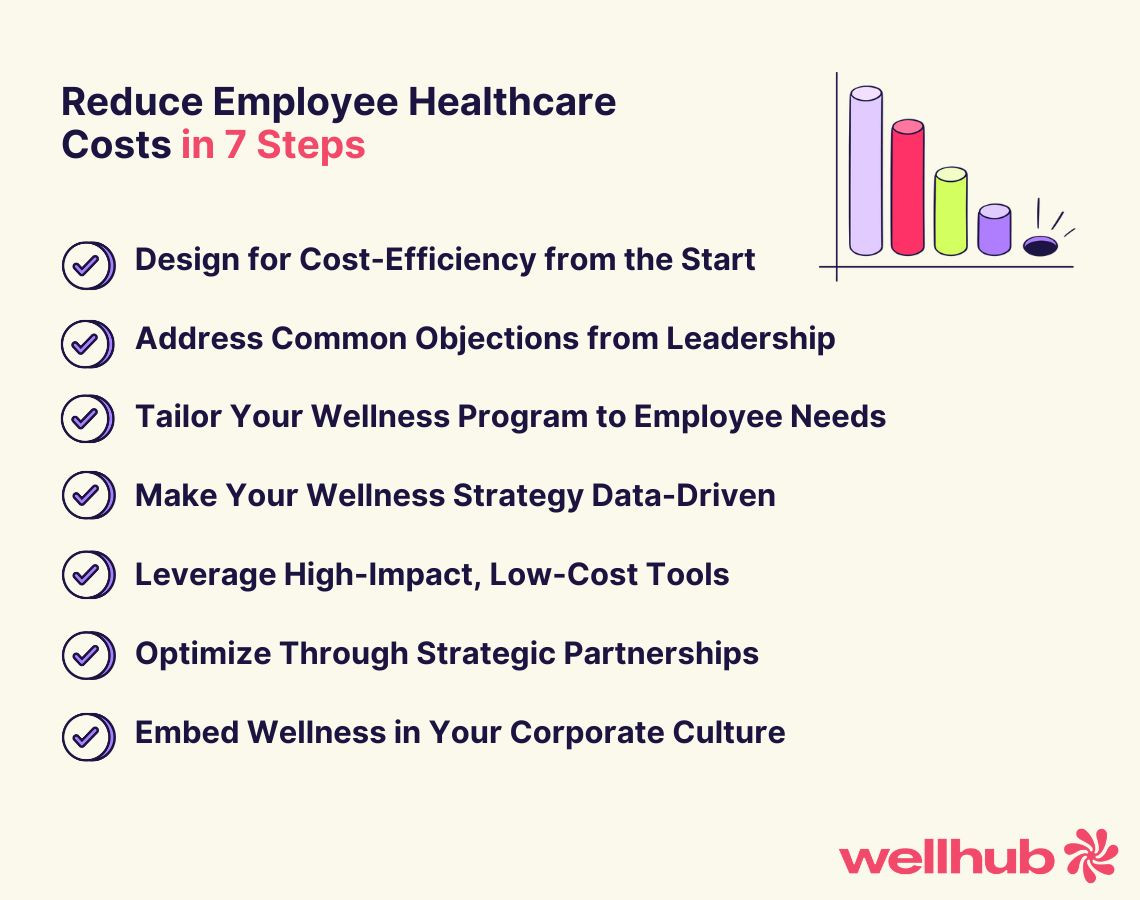
Lowering Workplace Wellness Program Costs
Companies that use traditional group plans typically choose one or 2 plans to use from a series of health insurance coverage strategy types, each with unique features, supplier networks, and expense structures. Understanding these primary types helps employers and staff members select the best fit for their requirements. PPOs are the most typical kind of employer-sponsored plan.
No recommendations needed: Workers can go to experts directly. Costs: Typically greater premiums and out-of-pocket costs, however higher supplier option. HMOs concentrate on coordinated care and lower expenses. In-network only: Protection is restricted to suppliers within the HMO network, except for emergency situations. Medical care doctor (PCP): Staff members must select a PCP and get recommendations for experts.
Cost savings accounts: Often matched with a Health Savings Account (HSA) or Health Compensation Arrangement (HRA) for tax-advantaged savings. POS plans combine functions of PPOs and HMOs.

Latest Posts

Reducing Workplace Wellness Program Costs
Protecting the Organization and Commercial Insurance Policies

Expert Guidance for 2026 Small Business Benefits