All Categories
Featured


Does Your Oceanside Company Requirement Dental and Vision?
Table of Contents
The workforce in 2026 runs under a different set of guidelines compared to the start of the decade. Small company owners in Oceanside face a truth where raise alone do not ensure loyalty. Retention has actually moved toward a focus on the overall well-being of the worker. Worker Assistance Programs (EAPs) have moved from the periphery of advantages packages to an essential position in 2026. These programs offer a range of services developed to assist employees manage personal and expert obstacles that may otherwise hinder their task efficiency.
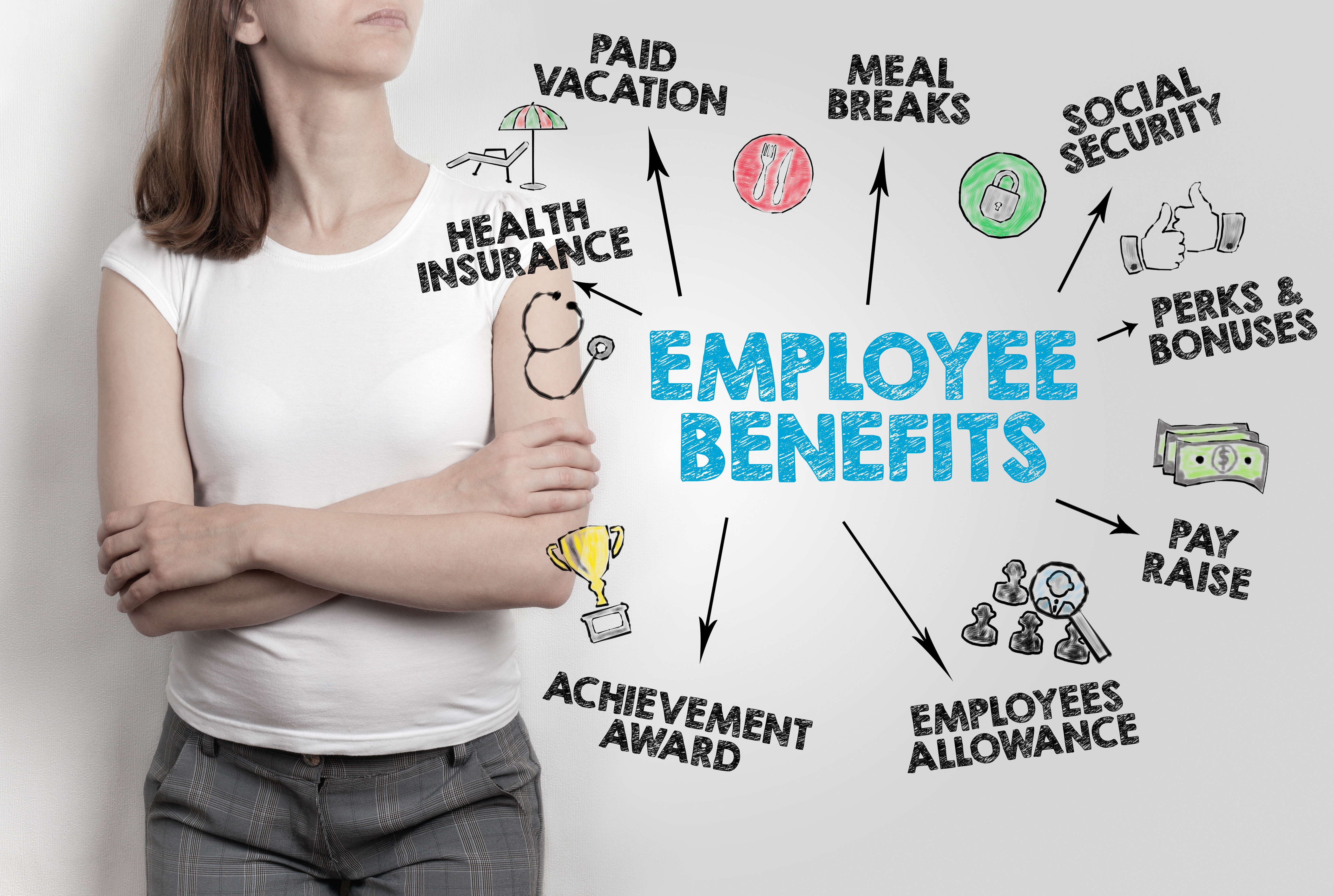
Adapting Medicare for 2026 Retention
Retention strategies in the present year prioritize stability and mental health. In cities like Anaheim and Huntington Beach, small companies are taking on bigger corporations for the same talent pool. While big firms have deep pockets, smaller sized companies are discovering success by providing more personalized support group. The 2026 version of the EAP is no longer simply a telephone number on a poster in the breakroom. It is an active part of the workplace culture. Recent information recommends that services often see better results when they incorporate Harmony SoCal Insurance Services into their standard wellness bundles. This combination assists attend to concerns like burnout before they lead to a resignation letter.
The cost of changing a worker in 2026 remains high, frequently reaching up to 33 percent of their yearly salary when hiring and training are factored in. For a small company in Escondido or Corona, losing three or 4 key employee in a single year can threaten the stability of the entire operation. EAPs serve as a safeguard. By providing confidential counseling, legal suggestions, and financial planning, these programs lower the external stressors that typically drive workers to look for new chances in other places. When a worker feels supported throughout an individual crisis, their commitment to the employer tends to increase.
The Effect of EAPs in Oceanside
Work-life combination has actually replaced the old principle of work-life balance. In 2026, employees do not merely leave their individual problems at the door. Concerns such as childcare lacks, eldercare responsibilities, and rising living expenses in California impact productivity every day. Modern EAPs offer direct assistance for these issues. For instance, some programs now include recommendation services for validated regional caretakers or emergency backup care. This useful help enables personnel to stay focused on their jobs instead of spending work hours handling domestic logistics.
Psychological health support has actually become the most requested feature of any 2026 benefits strategy. The preconception surrounding therapy has mainly vanished, and workers now expect their employers to provide easy access to certified specialists. Expert groups report that Harmony SoCal Insurance Services Business Insurance uses the type of stability employees seek in a moving economy. Small companies that offer 24/7 tele-health counseling alternatives see a significant decline in unscheduled lacks. When a worker in Chula Vista can speak with a therapist via an app on their lunch break, they are less most likely to take a complete psychological health day or experience a total collapse in efficiency.
Dealing With Financial Stress Through Medicare
Financial anxiety is a major motorist of turnover in 2026. With the cost of housing and durable goods remaining high in the United States, even well-paid employees feel the capture. Numerous EAPs have actually expanded to include monetary training and financial obligation management tools. These are not simply generic pamphlets but one-on-one sessions with financial organizers. By assisting staff members produce budget plans or handle student loans, a business reduces the possibility that a worker will leave just for a small per hour raise at a rival. The peace of mind supplied by monetary clarity is a powerful retention tool.
Small company owners trying to find Harmony SoCal Insurance Services in Oceanside are prioritizing mental health resources as a primary advantage. This shift is especially obvious in service-heavy markets where face-to-face interaction is consistent. In these environments, the emotional labor needed of staff is substantial. Having an EAP that provides stress management workshops or resilience training assists keep the group functional and lowers the "peaceful quitting" pattern that afflicted previous years. Managers also benefit from these programs, as many EAPs use particular training for managers on how to recognize the indications of distress in their staff member.
Implementing Reliable Support in Oceanside
Application of an EAP does not have to be a costly problem for a little organization. In 2026, many insurance coverage carriers bundle EAP services with standard health or life insurance policies. For services that do not have these packages, stand-alone EAP companies offer tiered pricing based upon the number of workers. The return on financial investment is normally seen in the first year through lower healthcare expenses and higher retention rates. Because EAPs are strictly confidential, workers are most likely to use them than they are to bring a personal problem to a supervisor. This confidentiality is the foundation of the program's success.
Communication is the final piece of the retention puzzle. An EAP just works if the staff understands it exists and trusts that utilizing it will not impact their career progression. Successful little businesses in 2026 discuss their EAP during every quarterly conference and include it in the onboarding process for each new hire. They treat it as a tool for success rather than a last option for trouble. By normalizing making use of these services, company owner create an environment where staff members feel valued as people, not simply as units of production.
As 2026 progresses, the connection between employee support and organization longevity ends up being clearer. The labor market in California and the rest of the United States remains tight, and the skill holds the power. Supplying a broad EAP is a clear signal that a company is invested in its individuals for the long term. For the small company owner, it is a strategic move that settles in a more steady, focused, and loyal labor force. Those who ignore the human component of the office might discover themselves constantly rehiring for the same positions, while those who embrace extensive support systems construct teams that remain.

Latest Posts
Expense Reduction Strategies for 2026 Benefits

Effective Workplace Health Programs for 2026

Choosing the Best Dental Options